Style
Looking Expensive Is a Skill You Can Learn
Great style has never depended on how much you spend. It comes from knowing how to put yourself together, and you can learn that at any budget.
By Tyre Richards, BSHA, MBA · Published
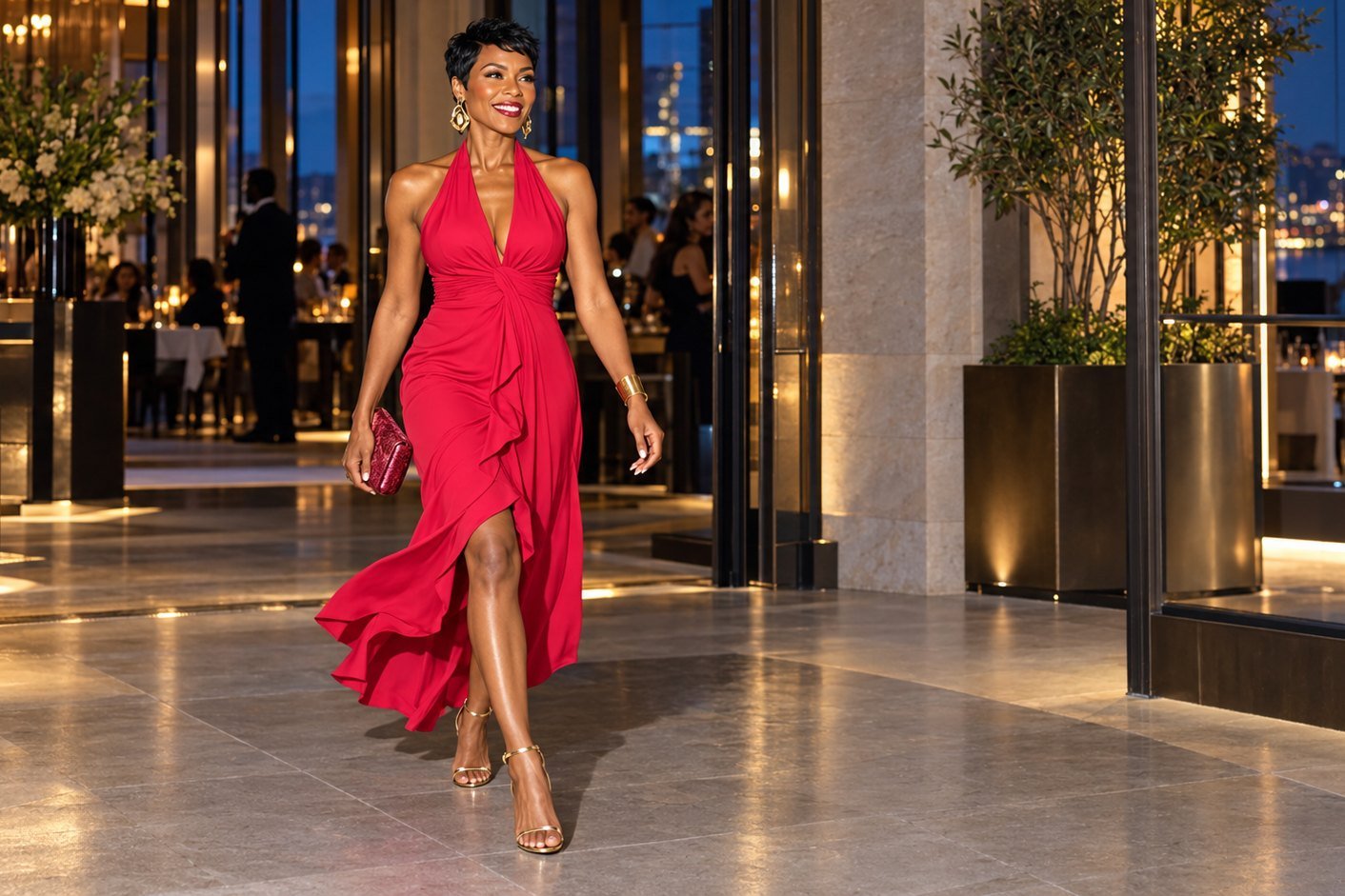
I’ve always loved fashion, and I mean more than beautiful clothes. I love the whole experience of getting dressed: choosing an outfit for an occasion, finding the right shoes, deciding which accessories finish the look. I love sophisticated fashion and glamour, rich colors, feminine silhouettes, and a little edge. I’ve never believed a woman has to pick one style and stay there. Some days call for elegance. Others call for something bold, sexy, or fashion-forward. The occasion changes, and my goal stays the same, which is to look put together.
Over the years I’ve gotten countless compliments on my outfits, and women often ask how to create that polished look. An expensive outfit and an expensive-looking outfit are not always the same thing, and the gap between them can be closed with skills anyone can pick up.
Fit Comes First
You can spend hundreds of dollars on a dress that doesn’t fit and still look less polished than the woman in a well-fitted dress from an affordable store. Pay attention to how clothing sits on your shoulders, follows your shape, and falls at the waist and hips. Look at trouser length, where a hemline lands, and whether anything pulls or bunches where it shouldn’t.
A tailor can fix more than most women realize. Hems, sleeve lengths, and waistbands are usually simple jobs, and taking in the sides of a top or dress can change the whole look. Shoulders are the hardest and most expensive thing to alter, so when you’re shopping, choose the piece that fits you there and plan on tailoring the rest. A good tailor is worth finding and keeping.
Bodies change through our forties, fifties, and beyond, and the size you wore at 35 may not be the size that fits you now. Let that go. The number on the label is just information, and the fit is what people see. Buy the size that fits today, and don’t let a tag talk you out of a piece you love.
Learn the Power of Proportion
One of the most useful styling skills is understanding proportion. A fitted top with wide-leg trousers creates a beautiful balance. A flowing blouse works well with a structured skirt. A shorter dress with a higher neckline or longer sleeves can feel sophisticated and still show a little leg.
Treat these as techniques to try, and drop any that don’t suit you. I love a fitted silhouette, and I also love the drama of wide-leg trousers, a beautifully cut jacket, or a dress that moves when you walk. Decide what you want the outfit to say, then choose the shapes that say it.
Don’t Be Afraid of Color
Somewhere along the way, looking expensive got tied to wearing beige, black, and cream. I appreciate a beautiful neutral outfit, but sophistication doesn’t require giving up color. A rich burgundy, a vibrant pink, a royal blue, or a striking red can make an outfit memorable.
If you love bold color, keep wearing it. Someone decided that women over 50 should dress more conservatively, and you’re allowed to ignore them.
How you combine color matters. Build a look around one statement color, pair complementary shades, or bring in contrast through accessories. Prints can be just as sophisticated when the silhouette, proportions, and styling work together. Good style includes your personality, and learning to express it on purpose is the skill.
Learn to Spot Quality
Looking expensive depends heavily on fabric and construction, and you can train your eye for both whatever the price tag says. Hold a garment up to the light. If it’s thin or see-through, it will probably cling and wrinkle. Feel the weight and watch how it drapes. Good fabric hangs and moves, and poor fabric stiffens or goes limp. Check whether the seams are straight, whether stripes and patterns line up where pieces meet, and whether the buttons and zippers feel solid. A lining is a good sign in a jacket or skirt.
This is also where secondhand and consignment shops earn their reputation. A well-made piece bought secondhand can cost less than a new one of lower quality, and it often holds its shape longer. Once your eye is trained, thrifting and sale racks get a lot more rewarding.
Accessories Can Change Everything
Never underestimate a beautiful shoe, an interesting handbag, or the right piece of jewelry. Elegant heels give tailored trousers a different character. Statement earrings elevate a simple black dress. A structured handbag makes a casual look feel more polished.
More isn’t always better, and sometimes the strongest styling decision is knowing when to stop. If the dress already makes a statement, understated accessories are enough. If the outfit is simple, you have room for something dramatic. I think of accessories as the finishing touches that bring the whole look together.
Pay Attention to the Details
Hair, makeup, grooming, and the condition of your clothes all add to the overall impression. A beautifully styled outfit loses impact when it’s wrinkled, the shoes are visibly worn, or the pieces look neglected.
You don’t need professional hair appointments, elaborate makeup, or expensive products for this. A few habits do most of the work. Steam or press your clothes. Remove pilling from knits with a fabric shaver. Get worn heels and soles repaired before they show, and polish or condition your shoes. Stuff your handbags so they keep their shape. Build a grooming routine that fits your lifestyle and budget. A polished appearance is available at many different price points.
Dress for the Occasion and Stay Recognizably You
One of my favorite things about fashion is that different occasions let us express different sides of ourselves. A business conference calls for a different look than a concert. A Sunday church service may inspire something different from a romantic dinner or a Broadway show. I don’t want to dress the same way everywhere I go, and I do want my style to stay recognizable. You can be elegant one day and edgy the next, glamorous one evening and relaxed the following afternoon. A signature style leaves room for variety. It means you know your own taste well enough to express it in different settings.
Confidence ties it all together. You’ve seen a woman in a fairly simple outfit who still looks extraordinary. Maybe it’s the way she stands, the way she walks, the ease she has with herself. Clothes add to presence, and she supplies the rest. That kind of confidence can be quiet. It looks like comfort in what you’re wearing and no need to keep adjusting for someone else’s expectations.
The best-dressed woman in Proverbs is described by what she carries, not by what her clothes cost:
“Strength and dignity are her clothing, And she smiles at the future.”
Proverbs 31:25 (NASB)
I believe women should enjoy fashion at every age. If you love a fitted dress, wear the one that makes you feel beautiful. If you prefer timeless classics, embrace them. Your style should reflect your personality, your preferences, and the occasion, and no list of age-related restrictions gets a vote.
The FIERCE Perspective
Looking expensive comes from an eye for quality, a good understanding of fit, thoughtful styling choices, and presenting yourself with intention. You don’t need an unlimited wardrobe or designer labels, and you don’t need to dress like everyone else.
Develop your taste. Learn what works for you. Pay attention to the details, and make a statement when you feel like it.
Great style belongs to the woman wearing the outfit, whatever it cost.
Pause and pray
A question to sit with: Where have I let a size, a birthday, or someone else’s rules decide what I wear?
A prayer for this week: Lord, thank You for this body and for the love of beauty You placed in me. Help me dress with joy instead of comparison, care for what I have with gratitude, and carry strength and dignity wherever I go. Amen.
Scripture quotations taken from the (NASB®) New American Standard Bible®, Copyright © 1960, 1971, 1977, 1995, 2020 by The Lockman Foundation. Used by permission. All rights reserved. www.Lockman.org