Healthy Aging
When Your Body Changes, Does It Change Who You Are?
We spend years building a life around what our bodies can do. When that changes, we have to reconsider what strength, independence, and living well really mean.
By Tyre Richards, BSHA, MBA · Published
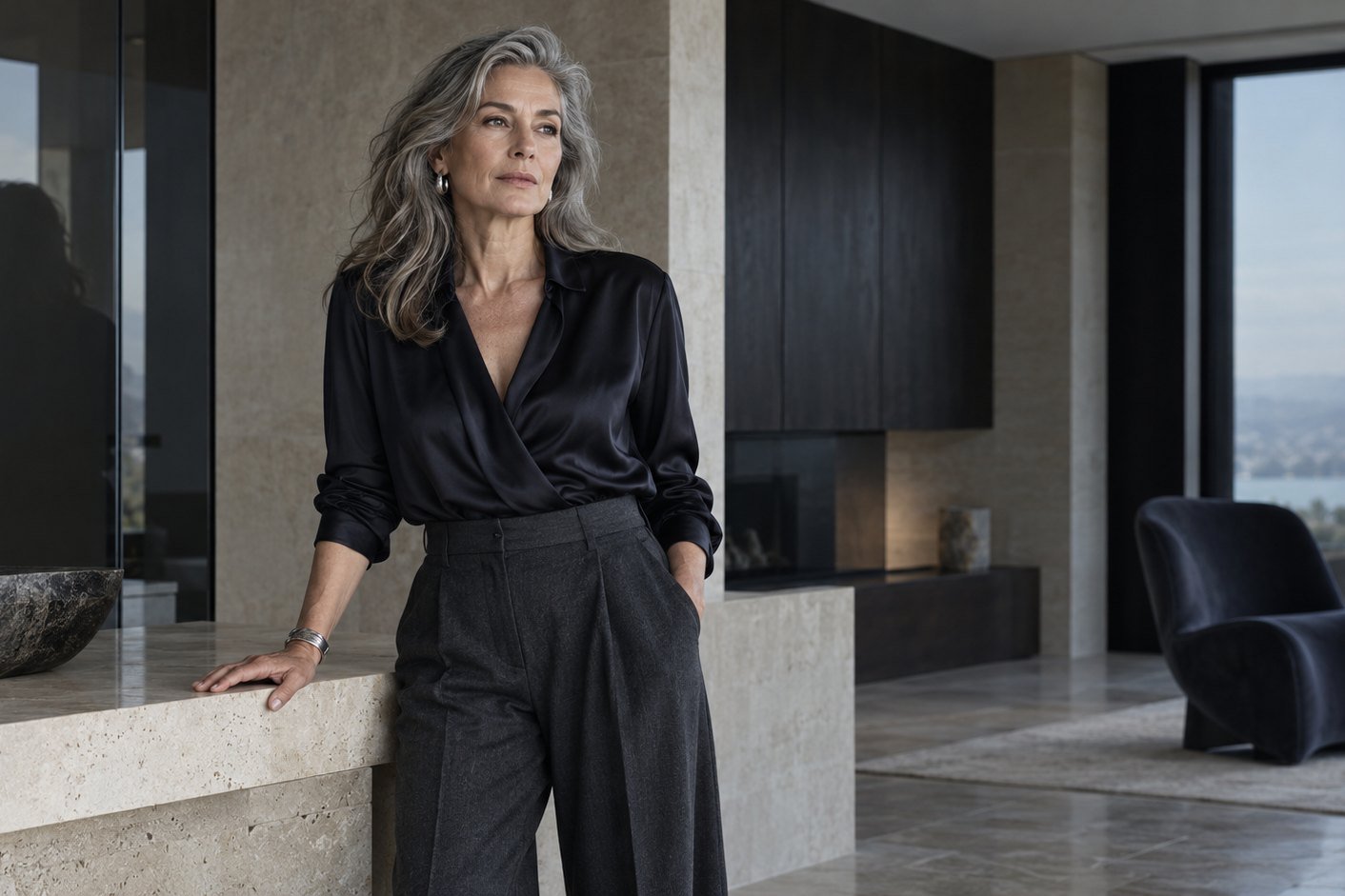
There’s a particular kind of freedom that comes from trusting your body. You decide to go somewhere, and you go. You sign up for a race, plan a hiking trip, spend an afternoon exploring a new city, or dance until your feet hurt. Your body may get tired, but you expect it to cooperate.
When you’re used to being active and independent, physical ability becomes part of how you understand yourself. Many of us don’t realize how deeply it’s woven in until something changes. Maybe it’s a health condition, an injury that never fully heals, or a chronic illness. Maybe it’s the slow realization that certain things take more effort and more recovery than they used to.
For some women the changes are manageable inconveniences. For others they are profound, and they reshape routines, relationships, careers, travel plans, and the activities that once made life enjoyable. The practical adjustments get most of the attention. There’s another side that gets far less, which is missing the body you once had while still being grateful for the life you have now. Those two feelings can sit side by side.
When Being Capable Becomes Part of Who You Are
We describe ourselves by what we do. I’m a runner. I’m an athlete. I’m the woman who never sits still. I’m the one who can handle anything. These start as simple facts and slowly turn into identities.
Imagine a woman who has spent years running races. She has medals in a drawer, photographs from finish lines, and friendships built over early-morning training runs. For her, running meant discipline, independence, and accomplishment, and it shaped how she related to her own body. Then a medical condition makes running impossible.
People encourage her to find another activity. They mean well, and she may eventually find something she enjoys. A new activity can fill the time, and what running gave her may still be missing: the physical feeling of it, the camaraderie, the goals, the confidence of knowing what her body could do.
A sociologist who spent years studying people with chronic illness described this kind of loss of self as one of its deepest forms of suffering, the experience of watching your old picture of yourself fall apart before a new one has had time to form. That loss deserves to be acknowledged. Not every hard experience needs to be turned right away into a lesson about gratitude or resilience. Sometimes a woman simply misses something she loved.
Research that follows people before and after a disability points the same direction. Life satisfaction drops sharply at first, and most people win some of it back over time, though the recovery is usually partial. Grief and a good life can both be real at once.
A changing body will change your days, your plans, and for a while your sense of yourself. The woman living in it is still here, with her humor, her taste, her judgment, and her ambition.
Paul wrote about this from inside a body that was wearing out:
“Therefore we do not lose heart, but though our outer person is decaying, yet our inner person is being renewed day by day.”
2 Corinthians 4:16 (NASB)
Health Does Not Measure Your Character
We live in a culture that treats health as proof of personal discipline. The woman who wakes at five, works out, eats perfectly, and keeps up an impressive fitness routine gets celebrated as someone who has mastered herself. There’s nothing wrong with admiring commitment, and consistent healthy habits matter.
Health depends on far more than behavior, though. A World Health Organization report found that social conditions such as income, housing, education, and discrimination account for more than half of health outcomes, ahead of genetics and the health care system. Add injuries, illness, disability, and plain unpredictability, and you get a picture where one woman can do many things right and still get sick, and another can live with physical limits that no amount of determination will remove. Neither of them failed.
This matters most when we talk about healthy aging. We should encourage women to care for their bodies without implying that every outcome is in their control. The goal of longevity should be to support health and quality of life as far as circumstances allow, and it should never become one more standard women use to judge themselves.
A woman who runs marathons can be FIERCE. A woman who once ran marathons and no longer can is every bit as FIERCE. I think that deserves to be said out loud.
There Is More Than One Kind of Strength
Physical strength is wonderful, and I hope every woman who can pursue it finds ways to keep it. I’ve also become more interested in the kinds of strength that don’t show up in a photograph. The woman who learns to manage a complicated medical condition and keeps pursuing her interests. The woman who asks for help after a lifetime of taking pride in doing everything herself. The woman who adjusts her expectations and keeps her personality intact. The woman who finds new ways into the activities she loves when she can’t take part the way she used to.
None of that is glamorous. Some of it is frustrating, expensive, or exhausting, and I don’t think we need to romanticize it to respect the effort. We can admire physical accomplishment and also honor the quiet determination it takes to live in a body that doesn’t always cooperate.
Caring for Your Body May Look Different Now
One of the harder adjustments is accepting that what worked at one stage of life may not fit the next. You may once have measured a good week by miles run or the intensity of your workouts. Now a good week might mean finishing a rehabilitation program, managing symptoms, getting enough rest, or finding a form of movement you enjoy that works with what your body can do today.
For another woman it might mean asking her doctor about changing symptoms, dealing with sleep problems, reviewing medications, or building a nutrition plan she can sustain. Those are real self-care, and they follow from the fact that bodies need different things at different times. When you’re managing a medical condition, advice from professionals who know your situation counts for more than a wellness trend or someone else’s impressive routine.
No universal protocol guarantees healthy aging. Evidence-based practices can support health, and the right ones depend on the person. I’d like to see more room for that kind of realism in conversations about longevity.
A Beautiful Life Can Take More Than One Shape
I love the picture of women who keep traveling, learning, dressing beautifully, enjoying wonderful experiences, and chasing ambitious goals for their whole lives. I just don’t want to define an extraordinary life so narrowly that only the healthiest and most physically capable women qualify.
A woman may need to travel differently than she used to, with accessible experiences, shorter itineraries, or destinations that fit her needs. She may find new interests because the old ones are no longer possible. She may decide some experiences are worth the extra planning they now take. None of those choices makes her life smaller. We can celebrate the woman who climbs the mountain without suggesting the woman who can’t has less to celebrate.
An extraordinary life gets built from the interests, relationships, experiences, and possibilities that matter to the woman living it.
The FIERCE Perspective
I want women to care about their health. I want us to take preventive care seriously, understand our bodies, and make informed decisions about our well-being. I also want us to enjoy our lives without treating every physical change as a personal defeat.
There may be things we can improve, conditions we can manage, and abilities we can preserve. There may also be limits we can’t change. In either case we deserve lives of dignity, beauty, ambition, and possibility.
If your body has changed, you may need to rethink how you do certain things. You may need new routines, different expectations, or more support than you ever imagined. You’re also allowed to miss what you’ve lost. And I hope you keep making plans, keep being curious, keep caring about your appearance if that’s something you enjoy, and keep going after the experiences and ambitions that matter to you.
Your body is part of your story. It has never been the whole story.
Pause and pray
A question to sit with: What have I been missing quietly that I have not let myself name?
A prayer for this week: Lord, You know this body better than I do, and You know the woman living in it. Give me the grace to grieve what has changed, the wisdom to care for what I have, and the courage to keep making plans. Amen.
Sources
- World Health Organization, report on social determinants of health equity (2025)
- Kathy Charmaz, “Loss of Self: A Fundamental Form of Suffering in the Chronically Ill,” Sociology of Health & Illness (1983)
- Christopher Boyce and Alex Wood, “Personality Prior to Disability Determines Adaptation,” Psychological Science (2011)
Scripture quotations taken from the (NASB®) New American Standard Bible®, Copyright © 1960, 1971, 1977, 1995, 2020 by The Lockman Foundation. Used by permission. All rights reserved. www.Lockman.org