Strength
Your Future 70-Year-Old Self Is Being Built Right Now
The habits you keep in your 40s and 50s are quietly deciding what your life will look like at 70.
By Tyre Richards, BSHA, MBA · Published
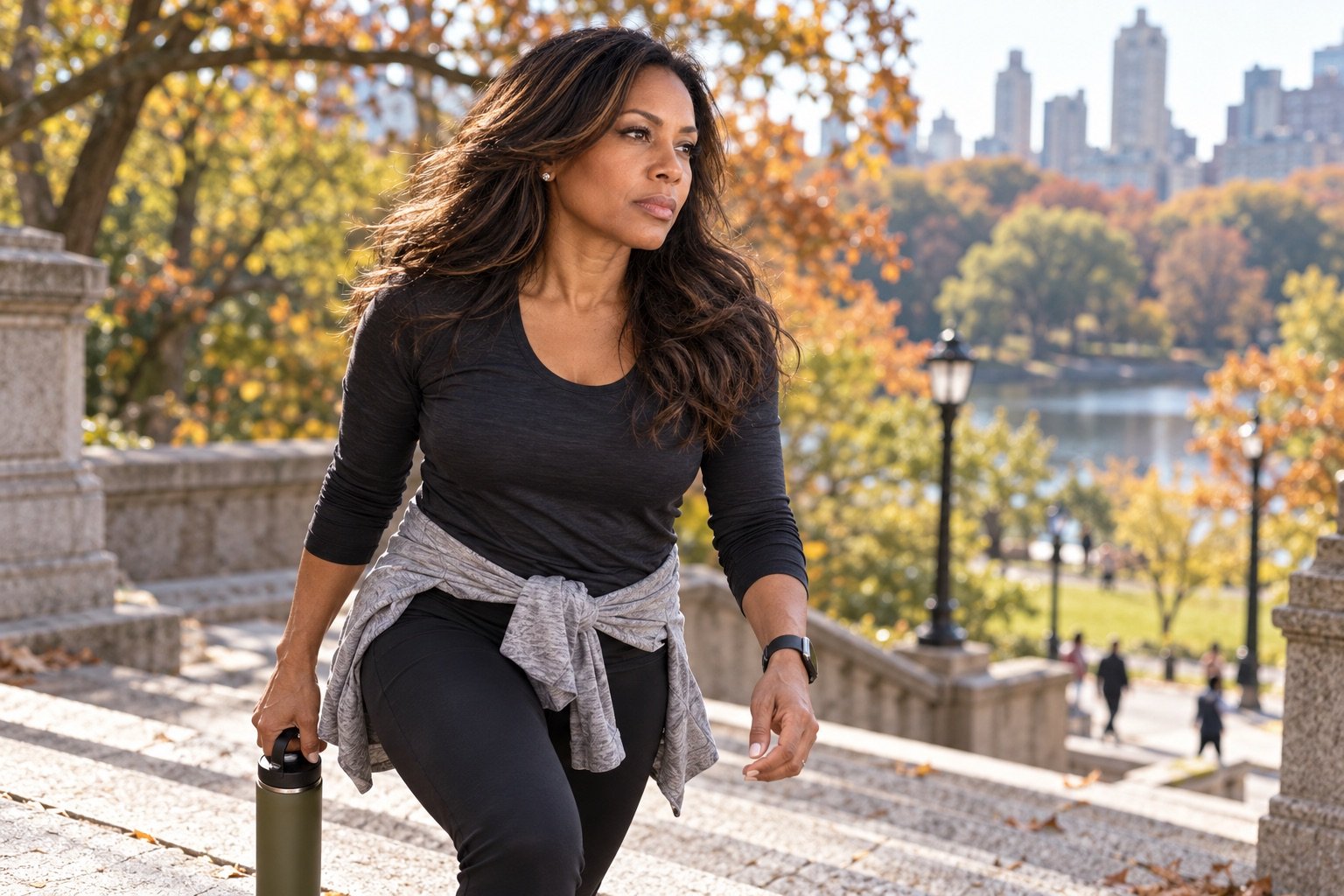
Think about the women in your family when they were 70. Your mother. An aunt. A grandmother. Picture how they moved through a room.
Maybe one of them still drove herself to church, worked in her garden, and carried the Thanksgiving turkey to the table herself. Maybe another needed a hand on the stairs, stopped going to the places she loved, and let her world get a little smaller every year. Many of us have watched both stories up close. And a lot of us have made a quiet promise to ourselves about which one we want.
That promise gets kept or broken in ordinary weeks, long before 70 arrives. Much of it happens in your 40s and 50s.
Your genes are a smaller part of the story
It’s easy to assume aging well comes down to luck and family history. Genes do matter. Researchers who study long lives estimate that genes explain a modest share of how long and how well people live, and daily habits and the conditions of our lives account for much of the rest.
That’s hopeful, and a little sobering. It means the woman you’ll be at 70 is being shaped by things as ordinary as what you eat for breakfast and whether you lift anything heavier than your laptop this week.
Muscle is what keeps you independent
If I could ask midlife women to focus on one thing, it would be muscle.
We begin losing it in our 30s, a little each decade, and the pace picks up with age. The drop in estrogen around menopause speeds it along. You don’t notice much at first. Then one day the suitcase feels heavier, the low chair is harder to get out of, and you start taking the elevator without thinking about it.
Muscle is what lets you get up from the floor, catch yourself when you trip, carry your own groceries, and stay in your own home. It also helps your body manage blood sugar, which matters more with every year.
Muscle responds to training at any age, including well into your 70s and 80s. Two or three strength sessions a week make a real difference. The weights need to be heavy enough that the last few reps feel hard, because that’s the signal your body needs to build and keep muscle. Many of us spent years doing light weights with lots of reps. A few sessions with a good trainer can teach you to lift heavier safely.
Food is part of it too. Many women eat a light breakfast and save most of their protein for dinner. Spreading protein across your meals gives your muscles steady material to work with.
Bone loss happens quietly
About half of women over 50 will break a bone because of osteoporosis. That number stopped me the first time I read it.
Bone loss speeds up right after menopause. Women can lose up to about 20 percent of their bone density in the first several years after their last period, and most feel nothing while it’s happening. Often the first sign is a fracture. A broken hip later in life can change where you live and how independently you live.
Bone responds to load, the same way muscle does. In one study of postmenopausal women with low bone mass, supervised heavy strength training improved bone density in the spine and hip. Impact helps too: brisk walking, stairs, and small jumps if your joints allow. Ask your clinician about calcium, vitamin D, and when you should have a bone density scan, especially if osteoporosis runs in your family or you went through menopause early.
Your heart and lungs set the pace
Cardio fitness may be one of the strongest predictors of how long and how well you’ll live. In a large study of more than 120,000 adults, people with the lowest fitness had a higher risk of death than people with the highest, and the risk tied to low fitness was comparable to the risk tied to smoking.
You don’t have to become a runner. Most of your cardio can be steady walking, cycling, or swimming at a pace where you can still hold a conversation. Once or twice a week, add a few minutes of harder effort. That might be a hill on your walk, a faster song on the bike, or picking up the pace between two mailboxes. Every bit of movement counts, and a little intensity builds the reserve you’ll want later.
The quieter pieces
Balance, sleep, hearing, your brain, and your friendships all shape your later years too. Each of them deserves its own conversation, and we’ll go deeper on them in the weeks ahead. For now, know that they work together. A woman with strong legs and steady balance keeps going to the dinner party. A woman who keeps going to the dinner party keeps her friends, and her friends help keep her sharp.
Write her a letter
Take ten minutes this week and describe an ordinary Tuesday when you’re 70. Where you live. What you do in the morning. Who you see. What your body can still do without a second thought.
Then pick one habit that moves you toward that Tuesday. Book a session with a trainer. Add protein to breakfast. Walk the hill. Ask about a bone density scan at your next appointment.
Start with one thing this month. She’s counting on you, and you have more time to help her than you might think.
Take this further
Want a place to start on muscle, bone, and heart? Stronger Decades is free in the Guides & Tools library.
When you’re ready for care
Full disclosure, I founded Sovra Health because I wanted women to have the kind of care I needed. If you want a personalized midlife health plan, Sovra Her starts with an online visit with a licensed clinician who focuses on women in midlife. There’s no bloodwork to start, and not everyone qualifies.
This article is for educational purposes and isn’t medical advice. Talk with your healthcare provider before starting a new exercise program, especially if you have a health condition.