Strength
Keep Moving, Even When the Movement Changes
I went from marathons and HIIT to Pilates and a rebounder. Gentler movement still counts, and letting go of intensity was its own kind of grief.
By Tyre Richards, BSHA, MBA · Published
A few years ago, I was running marathons. I ran 5Ks during the week and did HIIT at Orangetheory like it was a drug.
I loved the intensity. I loved knowing I could ask my body to do something hard and trust it to respond.
Then my body started asking me to slow down.
I was upset with myself because I couldn’t move the way I always had. If I’m honest, I was upset with God too. I didn’t understand why a body I’d worked so hard to strengthen suddenly seemed to be changing the rules.
There was real grief in that. Movement had become part of how I understood myself, and slowing down felt like losing a piece of who I was.
I kept moving, but I had to let go of the belief that movement only counted if it was intense.
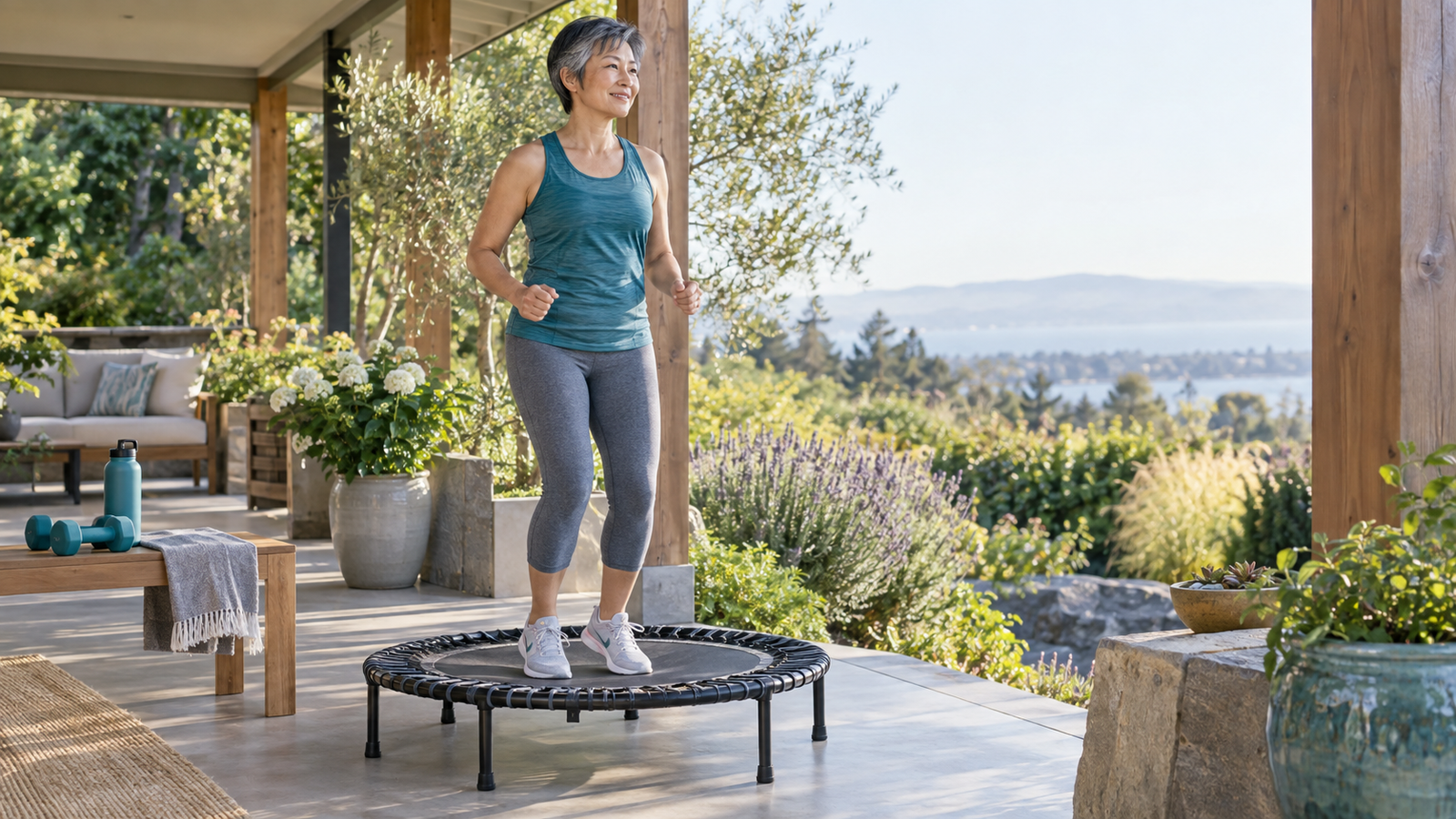
I bought a rebounder and keep it out in the open, where I can hop on it during the day. I do Pilates now instead of HIIT. I lift lighter weights. It may look gentler than what I used to do, but my body still benefits from strength, balance, and consistency.
My longevity habit now is one daily appointment with movement my body can do today.
Some days that’s Pilates. Other days it’s the rebounder or weights. I pay attention to how my body feels instead of punishing it for being different.
The World Health Organization recommends regular aerobic activity, strength training, and balance work as we age, because they help us stay strong and independent and lower the risk of falls. Those benefits don’t belong only to the woman doing the hardest workout in the room.
If your body has changed, give yourself time to feel whatever that brings up. Then look for the movement that’s still available to you. Keep it where you can see it. Make it easy to start.
I may not move the way I did a few years ago. But I’m still moving, and I’m learning to respect the woman, and the body, doing it now.
Sources and further reading
This article provides general educational information. It is not a substitute for individualized medical, mental health, legal, or financial advice.